Frozen Food: Oven and Stovetop Timing | The Game Larder
Frozen Food: Oven and Stovetop Timing
Freezer food is food held at 0 degrees Fahrenheit or colder, and you cook it straight from the bag when you want it on the table in about 30 to 45 minutes rather than thawing it for a day. This guide covers oven and stovetop timing for the game larder: venison, rabbit, pheasant and quail, the beef mince and lamb mince in the drawer, and a lasagna you never need to defrost. The rule that does most of the work is simple. Frozen food is colder and damper than a fresh cut, so it takes roughly 50 percent longer to cook at the same temperature. Set the timer from the frozen start, not the fresh one, and keep the internal temperature as the tie-breaker.
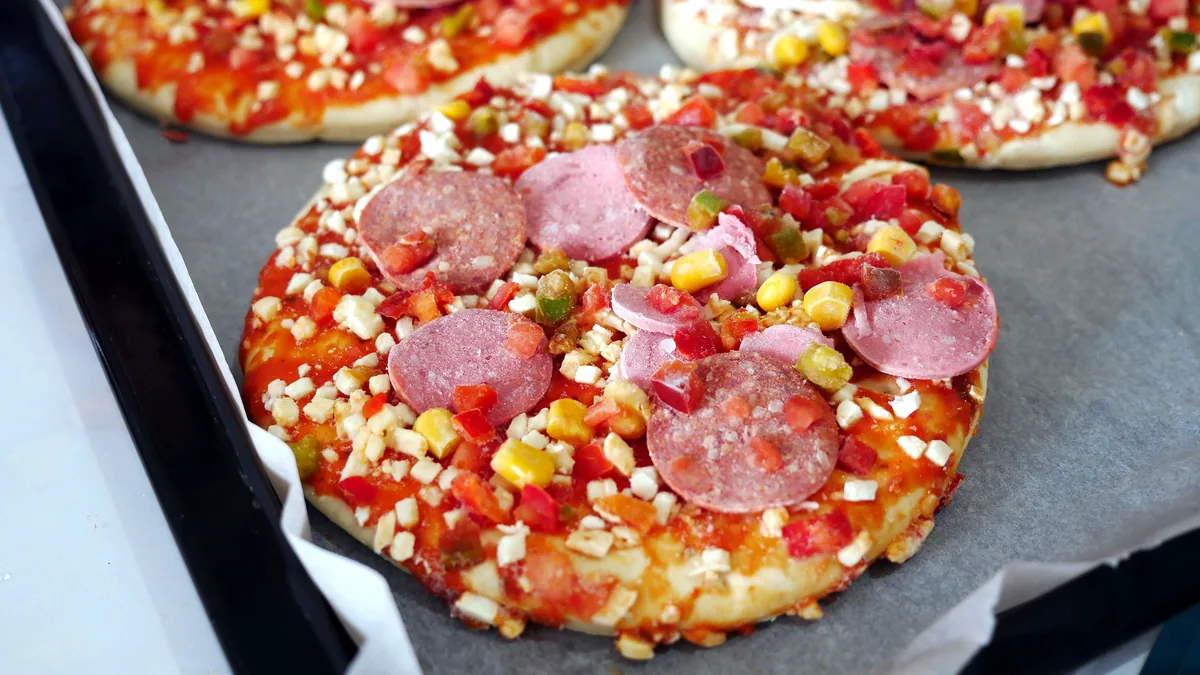
Oven timing for frozen meals by cut
Set the oven to a steady heat and let the frozen meal cook through, because the cold centre steals time that a fresh cut would not. The table below gives the starting points for whole and portion cuts of game, with the internal temperature that says the meat is done.
| Cut | Oven temperature | Frozen time | Internal temperature when done |
|---|---|---|---|
| Whole pheasant, about 2.3 kg | 160 degrees C (gas mark 3) | 45 to 55 minutes | 74 degrees C at the breast |
| Whole quail, about 500 g | 190 degrees C (gas mark 5) | 25 to 30 minutes | 71 degrees C |
| Portion of venison, about 150 g | 180 degrees C (gas mark 4) | 25 to 30 minutes | 60 degrees C for medium rare |
| Rabbit, about 1.8 kg, stuffed | 160 degrees C (gas mark 3) | 50 to 60 minutes | 71 degrees C at the thigh |
The internal temperature is the number to trust, not the clock, because a thick rabbit breast and a thin pheasant wing cook at different speeds in the same bird. Start a 55 minute timer for the pheasant, then confirm with a probe at the thickest part of the breast. Cover the bird loosely with foil if the skin is browning ahead of the flesh, and pull it off in the final 15 minutes so the skin crisps.
Stovetop timing for frozen cuts and mince
On the hob, cook the frozen cut over a low to medium heat, because the pan needs to transfer heat into a cold core without scorching the surface. The same 50 percent rule applies, measured against the fresh time. A 600 g venison steak that needs 12 minutes fresh runs 18 minutes from frozen at the same heat. Ground beef and lamb mince cook faster than a whole muscle, because the crumbled surface gives the pan far more to grip.
- Break the frozen mince into a wide, cold pan, then add 60 ml of water and cover for the first 5 minutes to steam the core loose
- Uncover, raise to a medium heat, and cook the ground beef 10 to 12 minutes, stirring once or twice, until no pink remains and the juices run clear
- Check the mince at 71 degrees C before it leaves the pan, the safe temperature for ground beef and ground lamb in the UK
Keep the pan wide and the heat moderate, because a thin layer of frozen mince cooks in a fraction of the time and the edges will char while the middle is still a solid puck. The water-and-cover trick is what keeps the stovetop time close to the fresh time rather than pushing it to double.
Cooking a lasagna from frozen
Cook the lasagna from frozen, yes, and you keep the oven time, not the fresh one. A standard 38 cm by 23 cm tray that bakes in 30 minutes fresh takes 50 to 60 minutes from the freezer at 175 degrees C (gas mark 4). Wrap the edges in foil for the first 40 minutes, because the corner pasta dries out before the centre is hot. Remove the foil in the final 10 to 15 minutes so the top browns and the sauce bubbles at the edges.
The middle of a frozen tray is the last to warm, so judge the lasagna by its centre, not its crust. A probe reads 90 degrees C or above when it is done through. The same method works for a shop-bought tray, including the Costco lasagna in the 1.7 kg tray, which runs 55 to 65 minutes from frozen at the same 175 degrees C. Check the package first, because a store tray of frozen lasagna already carries its own time and temperature, and the figure on the box beats this guide when the two differ.
Thawed or straight from the bag
Cook the lasagna from frozen when you are not in a hurry, and thaw it when you want a shorter bake and a crisper top. A thawed tray needs 30 to 35 minutes, so the frozen method adds 20 minutes but saves the day of defrosting. Both methods reach the same 90 degrees C centre; the frozen route simply spends that time bringing the food from 0 degrees F to serving heat.
Thawing, temperatures and food safety
Keep frozen food at 0 degrees Fahrenheit (minus 18 degrees C) or colder, and never refreeze a game cut that has thawed. Thawing is the step most people skip, so the timing table above assumes food that has not been allowed to sit out. Three safe thaw routes, in order of speed:
- The fridge, at 4 degrees C or below, for 24 hours per 2 kg of meat, the slowest but safest method for game
- Cold running water, sealed in a bag, changed every 30 minutes, which thaws a 1 kg portion in about 2 hours
- The microwave defrost setting, for the fastest result, but cook the food the same day because parts warm into the danger zone of 4 to 60 degrees C
The danger zone is where bacteria multiply fastest, so the goal of any method is to move food through it as quickly as possible. A whole venison shoulder thaws well in the fridge over a full day; a tray of mince or a single portion is a microwave job. Whatever the method, the internal temperature at the end of cooking is the same figure as in the tables above, because a probe does not care how the meat arrived.
From field to fork: freezer game and the over-ready product
From field to fork is the chain this larder follows, from a fresh pheasant or a venison joint straight to the freezer drawer and then to the plate. Freezer game keeps its quality for 9 to 12 months, and the over-ready or oven-ready product, a rabbit or a pheasant already stuffed and portioned, is the short cut that lets you go from the freezer to a 45 minute bake with no preparation. The 3 to 5 kg freezer in the kitchen holds a week of dinners this way, and the timing above is what turns that stored cut into a meal that lands at the right internal temperature.
Set the timer from the frozen start, keep the internal temperature as the tie-breaker, and the difference between a dry pheasant and a good one disappears. The oven handles whole birds and the lasagna; the hob handles the mince and the smaller cuts; and the freezer, kept at minus 18 degrees C, is where the larder stays stocked until any of the three is wanted.