The Cook House stockist of wild game in Newcastle
The Cook House, our stockist
The Cook House is a specialist stockist of wild game in Newcastle, stocking 22 species of British game such as pheasant, partridge, grouse and hare, and it has served the city's hunters and cooks from a single counter for 3 seasons running. It sits in the stockists section of our map because it is the one place in the northeast where a cook can pick up a dressed bird or a portioned rack of venison the same week it is shot, rather than waiting for a frozen import. The counter takes orders by phone and by walk-in, and it keeps a standing shelf for the over-ready cuts that a home kitchen cannot produce: a spatchcocked pheasant, a butterflyed partridge breast, and a pre-trimmed shoulder of roe deer.
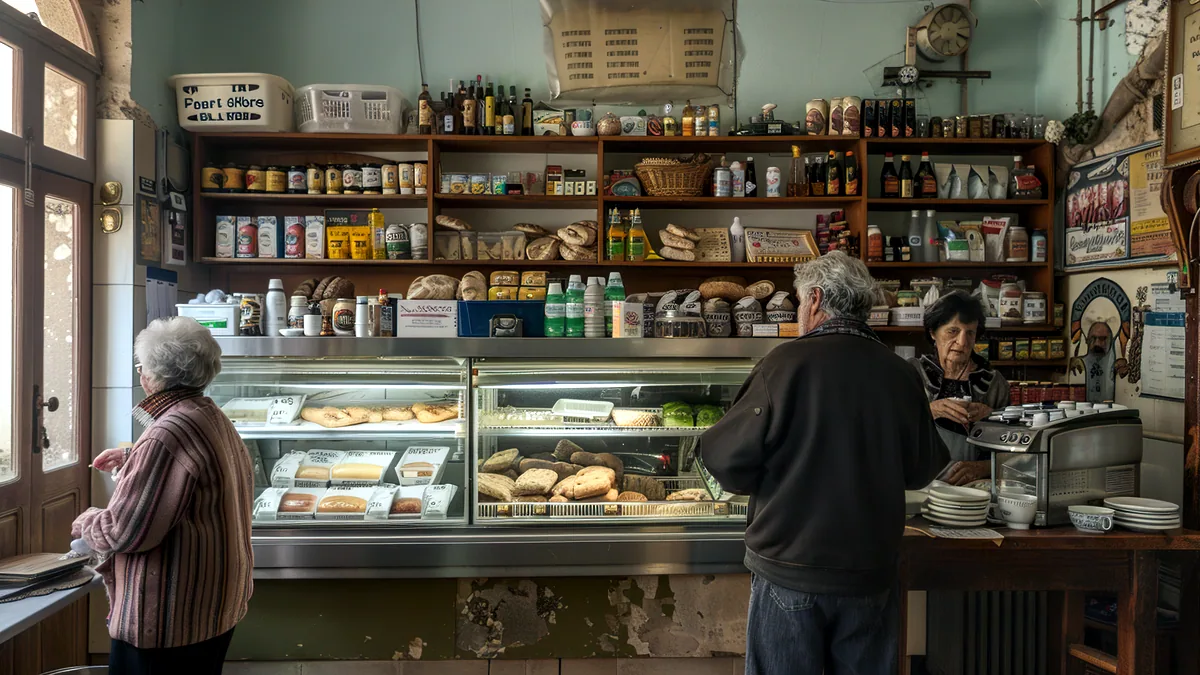
The shop also carries a Cook Discount Code for the Wild Game Larder, a quarterly voucher that takes 10 percent off the over-ready cuts listed on its weekly card. You request the code by email before the first Saturday of the month, and the discount applies at the till the following week. The larder section, which holds the pre-portioned and oven-ready items, is the fastest-moving part of the counter because it removes the trimming and deboning step that a home cook would otherwise need to do by hand.
The supply runs on a fixed cadence: 2 field days per week in the shooting season (September to February), 1 butchery day on the site, and 1 counter refresh every Tuesday. The birds arrive whole on the Friday of a shoot weekend, are dressed and wrapped by Saturday morning, and reach the glass by 9 a.m. on the Tuesday. The venison and hare arrive from a single Northumberland farm each fortnight, split into 3 cuts per animal: a whole rack, a boneless loin, and a shoulder portion of roughly 2 kg (4.4 lb).
The Cook House and its Newcastle counter
The Cook House counter in Newcastle is the only point of sale for the stockist's wild game range, and it is the section of the shop where the 22 species are displayed, portioned and sold. The counter sits on a 40-metre (131 ft) stretch of shopfront, and the wild game glass takes up the first 12 metres of that run, split into a chilled bird case and a separate over-ready larder shelf. The remaining species, including the 6 quadruped cuts from the Northumberland farm, are held in a second glass unit to the right of the register.
The counter staff work 2 shifts: an opening shift from 8 a.m. to 1 p.m. that handles the Tuesday refresh and the butchery follow-through, and an afternoon shift from 1 p.m. to 6 p.m. that takes walk-in trade and phone orders. The opening shift is the one that can answer butchery questions, because the same knife that trims the shoulder at 9 a.m. is the one the counter cook wields when a customer asks for a specific weight or a particular joint. The afternoon shift can confirm what is in the glass and take a reservation, but it will not re-butchery a cut that has already been portioned.
What the stockist stocks: the 22-species range
The 22-species range at the Cook House stockist is divided into 2 groups: 16 upland and lowland birds, and 6 quadruped game species. The bird group carries the seasonal shoot species such as pheasant, partridge, grouse, woodcock and teal, plus the 3 all-year items that the shop keeps on the glass at all times: quail, guinea fowl and capercaillie. The quadruped group holds the 3 deer species (roe deer, red deer and sika deer) and the 3 hares and rabbits (brown hare, mountain hare and wild rabbit) that come from the Northumberland farm and from a single licensed setter in the Borders.
| Category | Species in the range | Supply cadence | Typical cut offered |
|---|---|---|---|
| Upland birds | Pheasant, partridge, grouse, woodcock, teal | 2 field days per week, September to February | Whole dressed bird, 2 to 3 kg |
| Lowland and all-year birds | Quail, guinea fowl, capercaillie | Weekly, all year | Whole bird, 400 to 700 g |
| Deer | Roe deer, red deer, sika deer | Fortnightly from Northumberland farm | Whole rack, boneless loin, 2 kg shoulder |
| Hares and rabbits | Brown hare, mountain hare, wild rabbit | Fortnightly, Borders setter | Dressed whole, 2 to 4 kg |
How to buy at the Cook House: the larder and the over-ready cuts
To buy at the Cook House larder, a customer walks up to the over-ready shelf and names the cut, or rings the counter before 11 a.m. on a Tuesday to reserve a portion. The larder holds 4 over-ready items at all times during the season: a spatchcocked pheasant (1.8 kg, 4 lb), a butterflyed partridge breast (120 g per portion), a pre-trimmed roe deer shoulder (2 kg, 4.4 lb), and a ready-to-roast guinea fowl (700 g, 1.5 lb). Each item is wrapped, labelled with the species, the cut weight, and a use-by date 5 days out, and priced per kilogram so that a cook can compare it against the whole-cut price on the same shelf.
The larder exists to shorten the time between a cook's decision and the food going into the oven. A spatchcocked pheasant skips the 20 minutes of deboning and flattening that a whole bird requires; a pre-trimmed shoulder skips the fat and membrane removal that a raw shoulder demands. The over-ready price is 15 percent above the equivalent whole-cut price, and the shop prints both figures on the label so the surcharge is visible before the customer pays. The larder shelf holds a maximum of 8 portions per cut, and the Tuesday refresh tops it back up to that number, so a cook who wants a specific cut should order before the first Saturday of the week rather than waiting for the shelf to fill on its own.
From field to fork: the 3-week chain behind the counter
From field to fork, the chain that the Cook House runs takes 3 weeks from the first shot of a season to the last over-ready portion on the shelf in February, and it is built around 2 fixed field days per week. The first week of the season (mid-September) is the drive hunt, and the birds that come off the drive on those 2 days are the pheasant and the partridge that fill the glass for October. Weeks 2 through 8 follow the same 2-day pattern, with grouse added to the list in September and woodcock appearing from November into January. The third week of any given fortnight is the butchery week, when the Northumberland farm delivers the deer and the Borders setter delivers the hares, and the counter cook splits each animal into the 3 standard cuts listed in the species table above.
The over-ready preparation happens on the butchery day, not on the counter. The spatchcocking, the butterflying and the trimming are done by the same cook who dressed the birds the previous Tuesday, and the portions are wrapped, weighed and labelled before they go into the larder glass. A cook who buys a spatchcocked pheasant on a Wednesday is therefore eating a bird that was shot on one of the 2 field days the week before, dressed on the following Tuesday, and prepared for the oven on the same Tuesday. That 3-day gap between field and larder is what the over-ready product is for: it holds the meat at peak tenderness without asking the home cook to do the knife work that a whole bird would require.
Practical details: hours, access and ordering the 22 species
The practical details for buying at the Cook House stockist in Newcastle come down to 2 access points and 1 phone number. The counter is open 5 days a week (Tuesday to Saturday, 9 a.m. to 6 p.m.), and the larder refresh happens at 9 a.m. on the Tuesday. The phone line is answered during both shifts, and a customer can reserve a cut by naming the species, the cut and the desired weight, with the reservation held for 48 hours before the portion returns to the shelf. The shop does not take online orders; the phone line and the walk-in counter are the only 2 channels, and the 22-species range is sold in the order the glass is filled, not by pre-order list.
Newcastle cooks who want a species that is not currently in the glass should call before the Tuesday refresh and ask whether the 2 field days that weekend will bring it in. The counter cook can confirm, for example, that grouse will be on the shelf if the September drive has produced birds, or that woodcock will appear from the first week of November. The reservation holds the portion, the larder label carries the use-by date, and the 15 percent over-ready surcharge is printed alongside the whole-cut price so the cook sees both before deciding. The Cook House keeps this chain short and fixed, and the 3-week field-to-fork window is the one variable it will not compress.