Cooking Species, Cuts and Preparation | The Game Larder
Cooking Species, Cuts and Preparation
Cook game is the practice of preparing wild-hunted meat, from the field-dressed carcass to the plated dish, and it spans roughly 15 species in the UK from 1 pound pheasant to 200 kg red deer. A cook working with game faces shorter aging windows, tighter fat margins, and a wider range of cooking temperatures than a cook working with farmed beef or pork. This reference covers the species you are most likely to encounter, the cuts each species yields, and the preparation methods that pull the best result from each one.
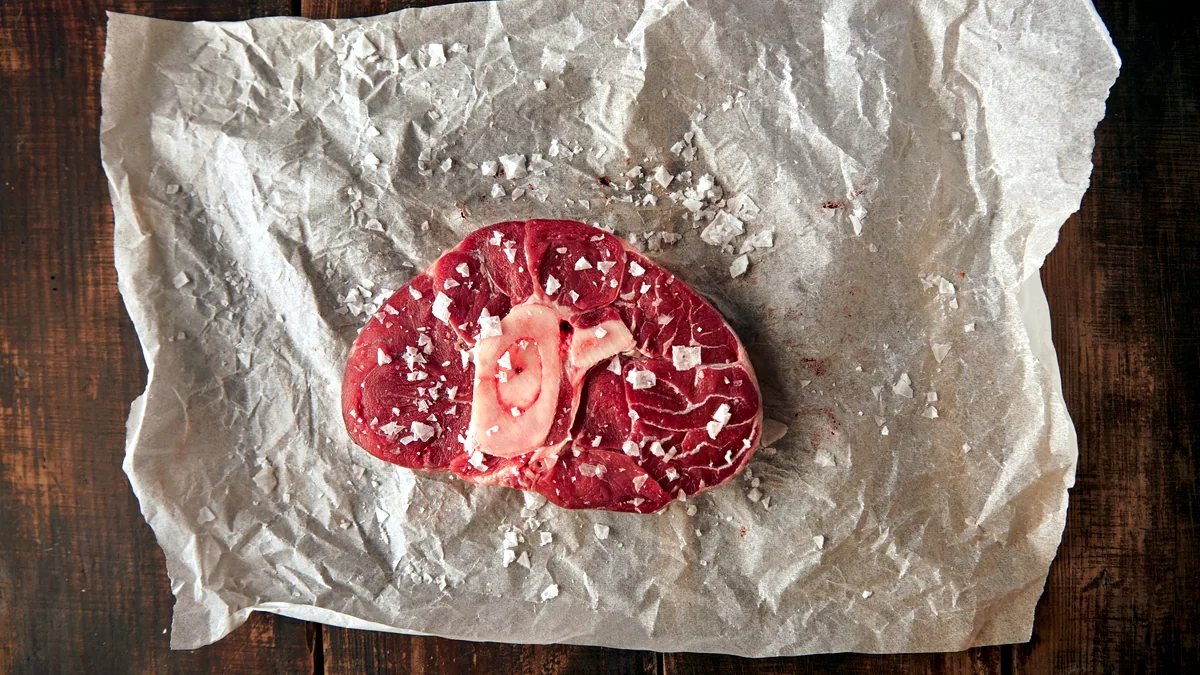
For a complete overview of how a carcass moves from the field to your kitchen, see the guide to From field to fork, which covers field dressing, ageing, and butchery step by step. Side dishes matter just as much as the protein: a game bird or haunch pairs well with a well-seasoned grain, and a detailed walkthrough such as Rice: Stovetop and Rice Cooker gives you a reliable bed for the plate. Seasonal vegetables extend the menu well beyond the winter months, and a technique guide like Cooking Asparagus keeps the sides as considered as the main course.
Game species and their kitchen profiles
Game species and their kitchen profiles determine which cuts you can expect and which methods suit the meat. The table below lists the 7 species most commonly available to UK home cooks, their typical carcass weight, the dominant fat content, and the ageing window before the meat reaches peak flavour.
| Species | Typical carcass weight | Fat content | Ageing window |
|---|---|---|---|
| Pheasant | 1.2 kg | Low (under 3%) | 2 to 5 days at 2 C |
| Partridge | 0.4 kg | Low (under 3%) | 2 to 4 days at 2 C |
| Wood pigeon | 0.35 kg | Moderate (around 5%) | 3 to 7 days at 2 C |
| Rabbit | 1.8 kg | Low (around 2%) | 7 to 10 days at 2 C |
| Wild boar | 35 to 80 kg | Moderate (around 6%) | 10 to 21 days at 2 C |
| Roe deer | 12 to 18 kg | Low (around 3%) | 10 to 14 days at 2 C |
| Red deer | 90 to 130 kg | Low (around 2 to 4%) | 14 to 28 days at 2 C |
Ageing is not optional for venison and wild boar; the muscle fibres in these 2 large species remain stiff for up to 14 days after slaughter, and a cook who skips the hang will fight a chew that no amount of tenderising cures. Pheasant and partridge, by contrast, peak quickly and lose their delicate game flavour if you hold them past day 5.
Cuts and where they sit on the carcass
Cuts and where they sit on the carcass follow a different logic than beef or lamb, because game carcasses are leaner and the muscle groups are smaller. A 130 kg red deer yields a whole rump of roughly 8 kg, a loin of about 2 kg, and a shoulder of around 6 kg, whereas a 1.2 kg pheasant gives you a breast of 0.3 kg and 2 thighs of 0.15 kg each. The table below maps the principal cuts for the species a home cook is most likely to buy whole or half-cut.
| Species | Prime cuts | Secondary cuts |
|---|---|---|
| Pheasant | Breast, legs | Neck, wings (stock) |
| Roe deer | Rump (steaks), loin, shoulder | Neck, foreleg (mince, sausage) |
| Red deer | Rump (steaks), loin, leg | Shoulder, neck, chuck (mince, braise) |
| Wild boar | Loin, leg (ham), shoulder | Neck, jowl (curing, mince) |
| Rabbit | Loin, legs | Saddle, back (stock, rillettes) |
A cook should note that venison rump is cut across the grain into 3 cm steaks for grilling, while the shoulder is best broken down along the blade and arm muscles for slow braising. Wild boar leg, salt-cured for 60 to 90 days, becomes a ham that replaces the farmed product on the table with a deeper, sweeter flavour.
Preparation methods matched to the meat
Preparation methods matched to the meat fall into 4 families, and the right family depends on the cut, the fat content, and the size of the piece. The method below is the default for each cut unless the species note overrides it.
- Grill or pan-sear: venison rump steaks at 3 cm thick, seared for 2 minutes per side at a 250 C cast-iron temperature, rested for 5 minutes, finished to 52 C for medium-rare
- Roast whole: pheasant at 200 C for 25 to 30 minutes, partridge at 200 C for 18 to 22 minutes, wood pigeon at 180 C for 35 to 40 minutes
- Braise or stew: venison shoulder, wild boar shoulder, rabbit whole, cooked at 140 C in the oven or at a bare simmer on the hob for 2.5 to 3 hours
- Cure and age: wild boar leg and jowl, salted at 5% of meat weight, held at 2 to 4 C for 60 to 90 days, then dried at 12 C for a further 6 weeks
Game meat carries less intramuscular fat than farmed beef or pork, so a cook needs to manage moisture more carefully. A 2 minute sear at high heat creates a crust that locks in the juices that would otherwise evaporate during a longer cook. For whole birds, a truss or a skin-side-up roast tray prevents the breast from drying out while the legs finish cooking.
Managing gamey flavour
Managing gamey flavour comes down to the age of the animal, the species, and the cut. Roe deer and young red deer produce meat that is close to beef in flavour, while mature stags and bucks carry a stronger iron note from the higher haemoglobin content in their muscles. A cook who finds that note too intense can marinate the cut in a thin layer of red wine and crushed black pepper for 4 hours before cooking, or pair the dish with a sharp, acidic sauce such as a juniper and blackberry reduction that cuts through the depth.
Butchery and portioning at home
Butchery and portioning at home is straightforward for birds and rabbit, and manageable for venison if you have a 180 mm boning knife, a 300 mm cleaver, and a sharp honing stone. A whole pheasant breaks down into 4 pieces: the breast, 2 legs with the thigh, and the wings, which you set aside for a stock that reduces in 45 minutes to a rich, dark liquid for a sauce. A roe deer rump splits along the spine into 2 loins of about 1 kg each, and each loin trims into 6 to 8 steaks at 3 cm, with the fat cap scored in a diamond pattern at 1 cm intervals so it renders evenly on the grill.
Wild boar is a different operation: the 35 to 80 kg carcass is best cut at a game processor into a leg for hamming, a shoulder for braising, a loin for roasting, and the remainder for mince and sausage. A home cook can still portion the shoulder by separating the blade from the arm muscle and cubing each into 5 cm pieces for a slow stew that benefits from 2.5 hours at a bare simmer.
Seasonality and storage on the counter and in the freezer
Seasonality and storage on the counter and in the freezer define the calendar of what a cook can prepare each year. The UK shoot season runs from mid-September through February for game birds, with pheasant and partridge available from the first week of October. Venison from a cull or a shoot arrives from November through March, and wild boar follows a similar window. A cook who buys a whole pheasant on 1 October should hang it in a 2 C cellar for 3 days, then use or freeze it within a further 5 days. Venison rump, wrapped in butcher's paper and held at minus 18 C, keeps its quality for 9 months; the same cut at minus 24 C will hold for up to 12 months with no detectable freezer burn.
Storing game correctly is not a luxury. A 2 day delay in moving a field-dressed pheasant to 2 C storage can push the internal temperature high enough for surface spoilage within 24 hours, and a cook who smells ammonia at the skin is looking at a bird that has passed its window. The rule is simple: field dress within 2 hours of the kill, move to 2 C within 4 hours, and begin ageing the same day.