Best Cuts of Beef for Steaks, Grilling and Smoking | The Game Larder
Best Cuts of Beef for Steaks, Grilling and Smoking
The best cuts of beef are the 4 primary steaks, the 2 grill roasts and the 4 smoke shoulders, and they split by what each piece of muscle does on the animal. A ribeye, sirloin, T bone and porterhouse serve steaks; a rump and a top round serve roasts and slices; a chuck, a brisket, a shoulder clod and a beef shin serve low and slow. Every one of these names appears on a standard UK butcher's price list, and the diagram below is the same map a shop will draw on the carcass for you. Pick the cut that fits your cook first, then match a budget tier to it.
This page ranks the Cuts by cook and by price. The full Beef Cuts map of the carcass sits in one table, and the longer species by species treatment of preparation lives under Cooking Species, Cuts and Preparation. The shortlist here answers one question only: which piece of beef to buy for the job you are cooking.
The four prime steaks
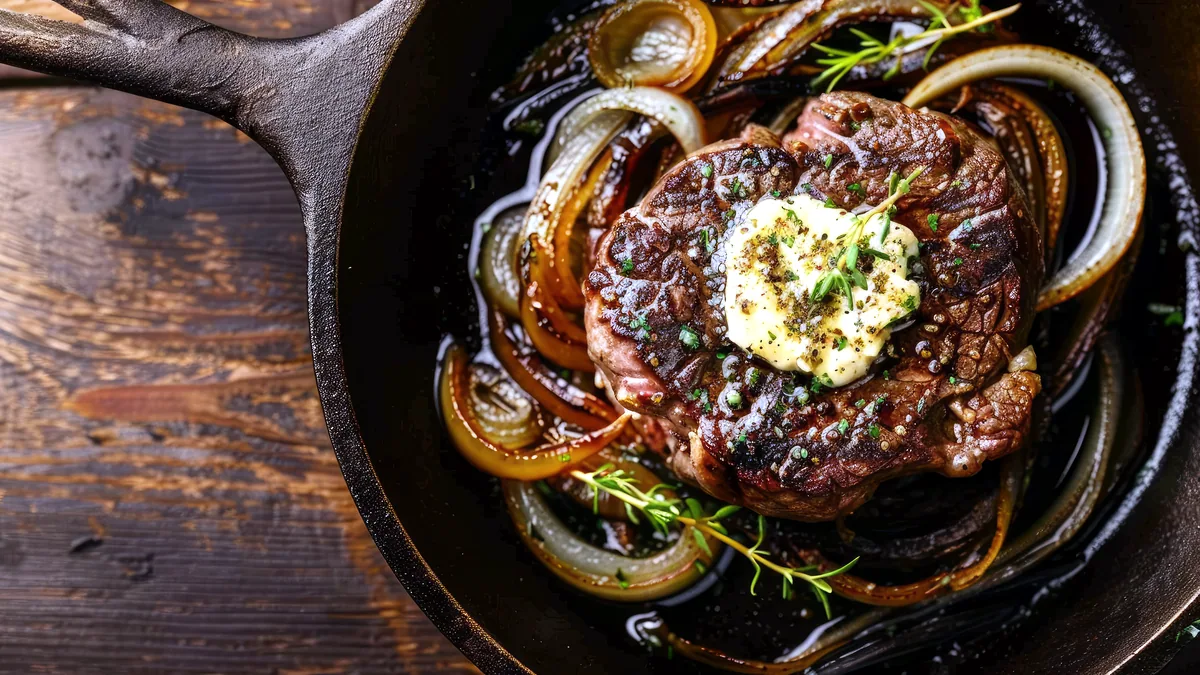
The four prime steaks are ribeye, sirloin, T bone and porterhouse, and they earn their place on the grill by marbling and thickness. A ribeye carries the most fat of the four, so it stays juicy at a quick 3 to 4 minutes per side over high heat. A sirloin is leaner and denser, so a 30 minute rest lets the 2.5 cm thickness settle to medium rare. A T bone and a porterhouse both yield a fillet and a sirloin on one bone; the porterhouse has a fillet at least 2.5 cm wide, while the T bone has a smaller one. Grill each to 54 C for medium rare and let them rest for 5 minutes before you slice against the grain.
- Ribeye: rich and forgiving, the first cut to reach for a hot grill.
- Sirloin: lean and firm, the everyday steak at a lower price.
- T bone: two steaks on one bone, with a smaller fillet.
- Porterhouse: a larger fillet side, priced above the T bone.
The grill roasts and the smoking cuts
The grill roasts and the smoking cuts split by fat and connective tissue, so the same shoulder that smokes for 8 hours is wrong for a quick sear. A rump is the lean roast for a hot, fast cook; slice it thin after a rest and it is the base of a jerky or a sliced sandwich meat. A chuck is the budget roast that tolerates a braise. A brisket, a shoulder clod and a beef shin are the smoke cuts: each carries the connective tissue that turns to gelatin over 3 to 4 hours at 110 C, and each is cheap enough to smoke whole. A chuck also makes the best beef jerky, because a lean strip dries evenly without drying out. If you want to smoke, buy the shoulder and the shin; if you want to sear, buy the rib and the loin.
The UK carcass, cut by cut
The UK carcass, cut by cut, reads front to back as shin, chuck, brisket, rib, loin and rump, with the plate under the ribs and the shin on the hind leg. The table below is the same map a butcher marks on the carcass, so you can trace any name back to its place. The tier column is the price order on a typical sale board: prime steaks first, then the grill roasts, then the smoke and braise cuts at the back of the list. This is the UK cut list, and the terms are the ones the shops actually use.
| UK cut | Where it sits | Budget tier | Best cook |
|---|---|---|---|
| Ribeye | Rib, behind the chuck | Prime steak | Grill, 3 to 4 minutes a side |
| Sirloin | Loin, behind the rib | Prime steak | Grill, then rest 30 minutes |
| T bone | Front of the loin | Prime steak | Grill, two steaks on one bone |
| Porterhouse | Front of the loin | Prime steak | Grill, fillet at least 2.5 cm |
| Rump | Hind leg, above the shin | Grill roast | Roast or slice for jerky |
| Top round | Hind leg, upper | Grill roast | Slice thin after resting |
| Chuck | Shoulder, front | Smoker | Braise or smoke, or jerky |
| Brisket | Chest, below the plate | Smoker | Smoke 3 to 4 hours at 110 C |
| Shoulder clod | Shoulder, upper | Smoker | Slow roast or braise |
| Beef shin | Foreleg, lower | Smoker | Braise for 3 to 4 hours |
Which cut to smoke
Which cut to smoke comes down to two shoulders, a brisket and a shin, because only these carry enough collagen to stay moist over 3 to 4 hours at 110 C. A brisket is the classic smoke piece in both the UK and the US; a chuck makes a shoulder that pulls apart; a beef shin gives a braise that is cheap and rich; and a rump, sliced thin, dries into a jerky in the same smoker. If you are buying for a smoke, skip the rib and the loin entirely and spend the money on a whole shoulder or a whole shin, which run 2 to 3 times cheaper per 100 g than a ribeye and yield a full meal.
Reading the butcher's diagram and the price
Reading the butcher's diagram and the price is a one line habit: the diagram names the muscle and the price board names its tier, and together they tell you what the piece does. The diagram is the carcass map, front to back, that the shop prints beside the meat; the tier is the price order, prime steaks at the front and smoke cuts at the back. A large UK chain such as Sainsbury's, Tesco or Morrisons prints both, and a US buyer at Costco runs the same logic under American names: a ribeye is a ribeye, a brisket is a brisket, and the price tiers line up across the Atlantic. When you match the diagram to the tier, the right piece for the job is the one that sits in the tier your cook needs, and the budget decides which tier you can afford this week.